
Investment Strategy
When markets panic, there are opportunities to pick up good stocks at great valuations - Angles & Perspectives Q1 2026

Market dislocations are uncomfortable, often disorderly, and almost always accompanied by a compelling narrative explaining why this time is different. Yet history suggests that periods of panic tend to create attractive opportunities for long-term investors. However, a knee-jerk approach that involves buying all market dips indiscriminately is not advised, with the ability to distinguish temporary uncertainty from permanent impairment becoming ever more crucial.
Learning from past dislocations
While each market crisis has a unique trigger, the behavioural response of market participants tends to be consistent: forced selling, liquidity constraints, and the indiscriminate repricing of risk. This creates opportunities to acquire high-quality businesses at significant discounts to intrinsic value.
Over the years, PSG Asset Management has shown the ability to allocate capital in a disciplined fashion during periods of market stress, using times of panic to buy quality companies that have been sold off indiscriminately or assets that will deliver excellent returns in the future environment. These well-timed purchases have allowed our funds to perform extremely well in the rebound that often follows excessive sell-offs.
Over the more than 15 years we have been managing the PSG Global Equity Sub-Fund, there have been four periods when the MSCI World Index dropped more than 10% (measured monthly) over a rolling 1-year period: in May 2012 following the eurozone debt crisis, in February 2016 on the back of a growth and commodity slump, the Covid-19 pandemic in March 2020, and the global inflation scare in September 2022. The performance of our PSG Global Equity Sub-Fund versus the MSCI World Index and the category average over the subsequent 12-month periods is shown below.
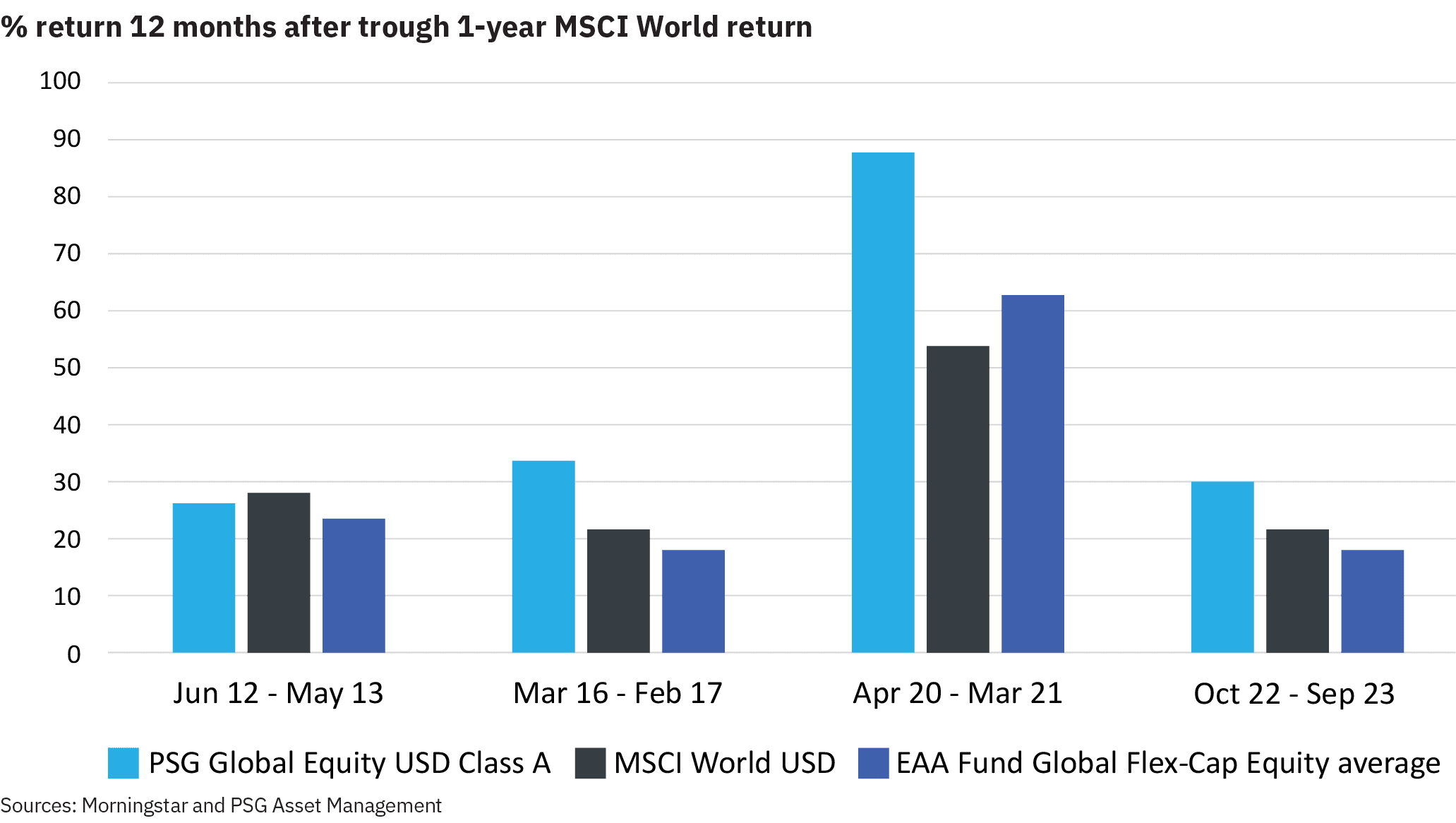
This chart supports the historic value of buying during periods of market panic (the MSCI World Index delivered 31.3% on average in the periods above), and shows how we have used these opportunities to buy attractive assets, including high-quality businesses at low prices, helping to deliver subsequent outperformance.
Historic examples include purchases of high-quality US equities in 2016, such as Berkshire Hathaway, Brookfield and Microsoft. During the Covid-19 market volatility in 2020, notable additions included Anheuser-Busch InBev, which faced severe lockdown-related disruptions to its on-premise business, and Shell plc, which has cut its dividend for the first time since World War II in April 2020, at a time when oil prices went negative. More recently, the fund added companies positioned to benefit from the heightened levels of inflation seen in 2022 following the invasion of Ukraine.
Why does buying into market weakness work?
“Buy on the sound of cannons, sell on the sound of trumpets” is a famous investment adage attributed to the 19th century banker Nathan Rothschild, advising investors to purchase assets during times of geopolitical panic or war, and to sell when peace and optimism return.
Over the years, investors have realised that following Rothschild’s advice and “buying the dip” can be incredibly profitable, especially when compared to the immense value destruction associated with selling out of fear. This strategy is successful for a number of reasons:
During market corrections, the ratings of shares decline (price/earnings, price-to-book value, etc.) while forward earnings are relatively stable, frequently making selective equities cheap. As we have noted many times in the past, the price you pay is a key determinant of the returns you subsequently earn from an asset.
Markets are resilient and adaptable, with companies quickly adjusting to new conditions to continue generating (and growing) earnings.
The environment leading to panic and short-term market corrections generally resolves over time, allowing equity markets (which are fundamentally long-term focused and forward-looking) to rebound too.
The US Federal Reserve (Fed) has frequently cut rates and embarked on quantitative easing (buying bonds) when US equity markets come under pressure, effectively providing the markets with a put option. The so-called Greenspan put evolved from the Fed’s 1987 emergency interest rate cuts, which established an unofficial policy of lowering rates to backstop market downturns. This has the tendency to create a ‘moral hazard’ with investors taking on excessive risk, trusting the Fed to bail them out in the event of a significant market correction. Subsequent periods of extreme speculation and bursting of asset bubbles (including the Global Financial Crisis) have been attributed to this Fed put.
Markets are adaptive
Markets are adaptive, learning from past events. This causes reflexivity (a theory popularised by George Soros), a two-way feedback loop where investors’ learnings about the past influence current actions, which in turn alter the future ‘fundamentals’ they were trying to predict. Along the same vein, Andrew Lo developed the Adaptive Markets Hypothesis in 2004, which proposes that markets are not efficient in a static way, but instead evolve. Market participants learn from past mistakes and successes, adapting their strategies accordingly. As more participants learn and adapt to a particular pattern (e.g. a specific crash type), that pattern changes or disappears, making history less relevant.
What does this mean for the current environment?
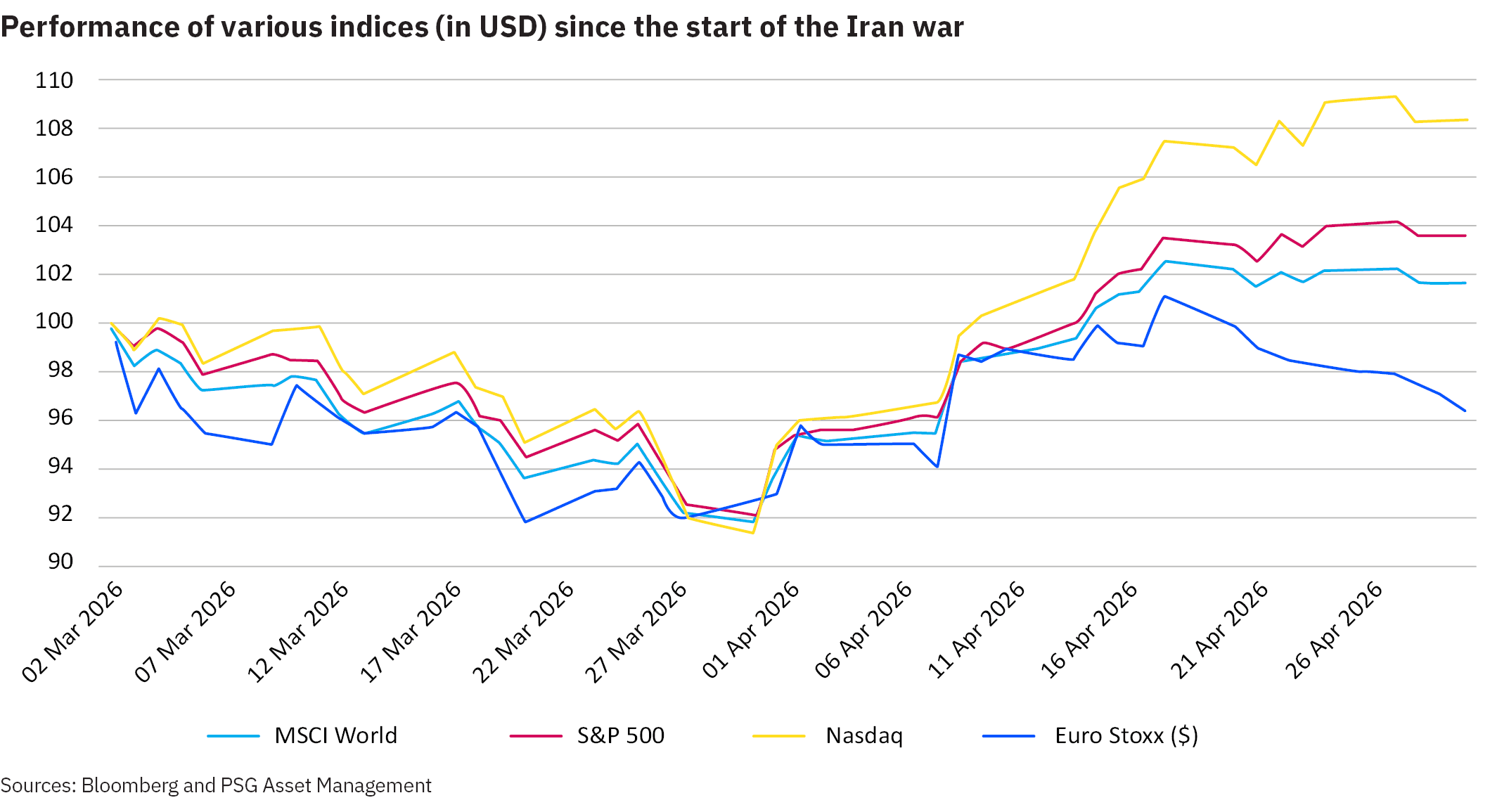
In March 2026, we saw another market sell-off on the back of the Iran war. However, unlike many other examples where markets over-reacted to bad news flow, in early March we saw relatively muted global equity market moves (as measured by the MSCI World Index). It was apparent that the market saw this conflict, and the closing of the Strait of Hormuz, as causing simply a short-term inflation spike, with limited concerns about growth and second-order inflationary impacts stemming from a potentially sustained shutdown. In contrast to many other larger risk-off events, we did not see panic selling; nor did we see many quality companies go on sale as a result.
The lack of panic, and muted global equity market moves, were probably also a function of numerous global strategists/economists advising clients to buy into equity market weakness, noting that historically buying during periods of geopolitical tension had delivered strong returns (as highlighted by BCA’s research in 2024), with the S&P 500 Index higher 12 months after a geopolitical crisis 85% of the time.
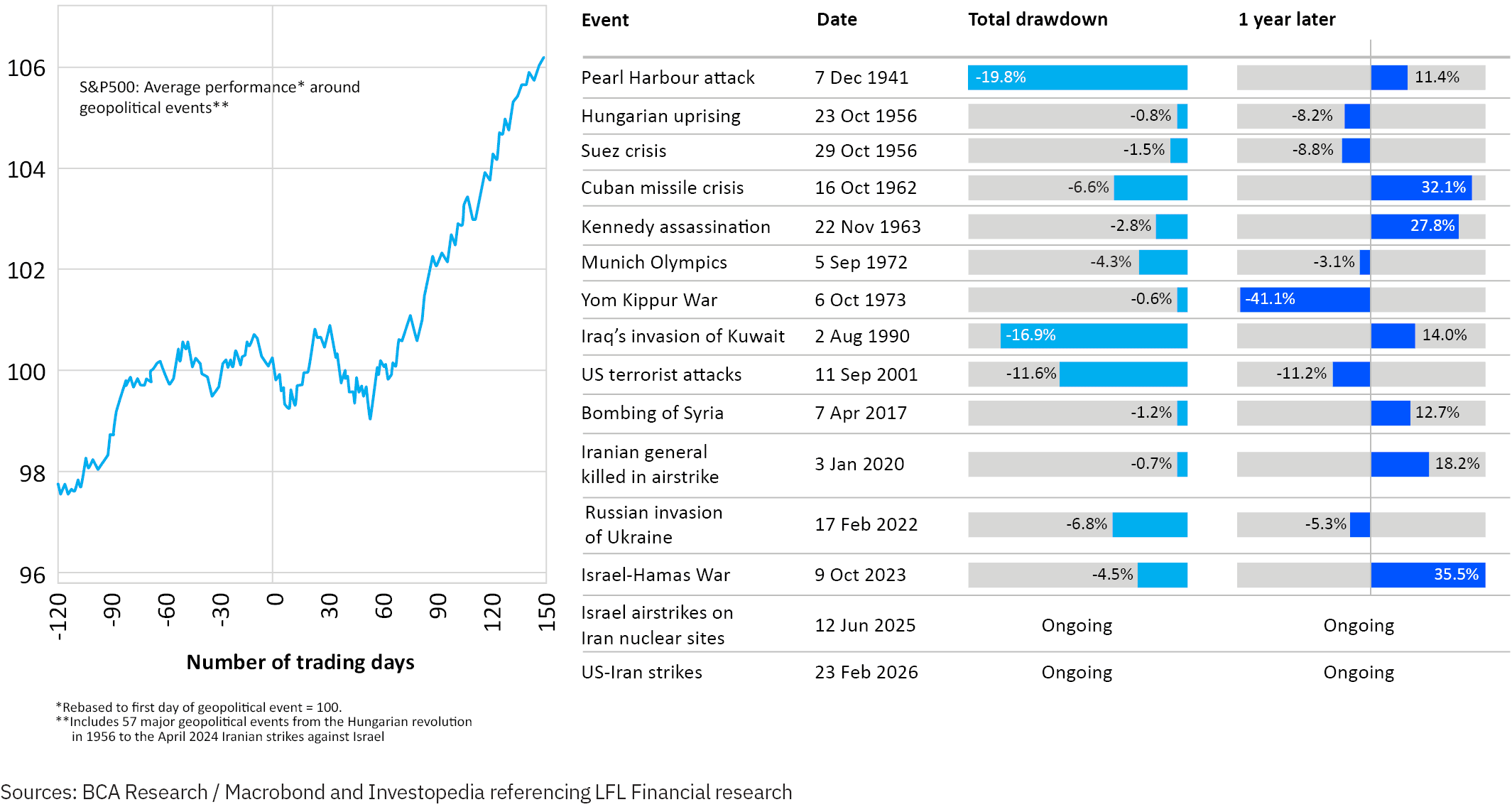
In this case, the limited reaction to a significant geopolitical event (i.e. relatively low levels of panic selling) makes the likelihood of a strong subsequent rebound lower than history would indicate.
In addition, US-domiciled companies dominate the MSCI World Index and, with the headline takeaway that the US is energy self-sufficient (based on overall energy demand and supply) and is relatively lower risk, the US markets outperformed most other equity markets over the recent period, supporting the MSCI World Index. Finally, a recent substantial increase in forecast consensus earnings for the S&P 500 Index, combined with a resurgence of the AI narrative and eye-watering gains for semi-conductor shares, has also underpinned the index performance.
How have we responded?
We were well positioned across our fund range going into March 2026 (refer to the April 2026 Angle) and on the front foot in terms of looking to exploit any opportunities that presented themselves. However, instead of the panic that creates excellent opportunities, we have actually seen what we view as market complacency. We attribute this to the market assuming that there will be a short-term resolution to this crisis. In addition, it appears that the delayed impact of a blockage in the Strait of Hormuz on oil, gas and related markets (see graphic below) and the associated global supply chains, and the second-order effects thereof, are not fully appreciated.
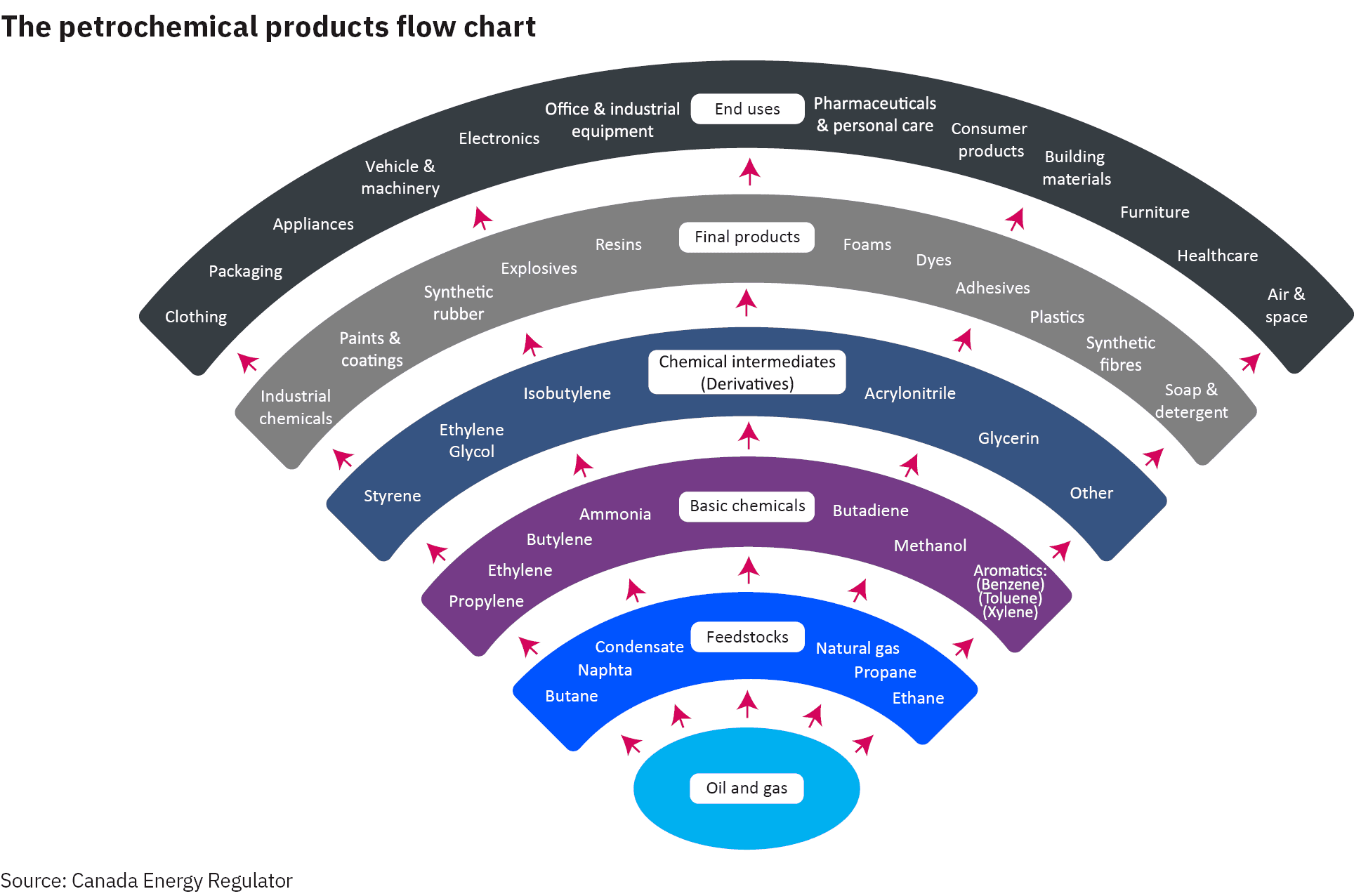
In March 2026, the International Energy Agency (IEA) announced a 400 million barrel (mb) release of emergency oil reserves, offsetting an estimated supply loss of 360mb in March. However, reserves are finite, and will have to be rebuilt over time. For example, the US Strategic Petroleum Reserve had fallen to 243mb by late March, the lowest level since the 1980s (and approaching minimum viable levels). Forecast supply losses for April 2026 are projected at 440mb, with the last tanker to clear the Strait in late February arriving at its destination in mid-April 2026, emphasising the delayed impact of blockages. Even if the Strait of Hormuz is fully opened, it will take several months for the physical challenges in the energy and related markets to be resolved. Valero, one of the largest refiners in the US, estimates that every one day Hormuz is closed results in three days of energy market disruption, implying abnormal markets until the fourth quarter of 2026, even with an immediate end to the conflict.
As a result, while we have opportunistically redeployed capital since the start of the Iran war from select winners into laggards that met our 3M investment process, we have not materially changed the composition of our portfolios; nor have we added substantial equity exposure in our multi-asset funds. Our analysis suggests that we are appropriately positioned in the current market environment to maximise client returns while managing risk appropriately.
Understanding the drivers of volatility remains key
Periods of panic remain the most fertile ground for long-term investors. However, complacency can be equally dangerous. The key is not simply to react to volatility, but to understand its drivers and position portfolios accordingly.
We continue to monitor market events and market movements, looking to apply our philosophy and 3M research process to take advantage of any longer-term opportunities as they present themselves.
Share