Fraudulent Telegram and WhatsApp groups
Please beware of fraudulent Telegram and WhatsApp groups impersonating PSG Financial Services, our divisions and our advisers. Be cautious, verify links and contact your adviser or Client Services if you have any queries or concerns.
01
December 2021
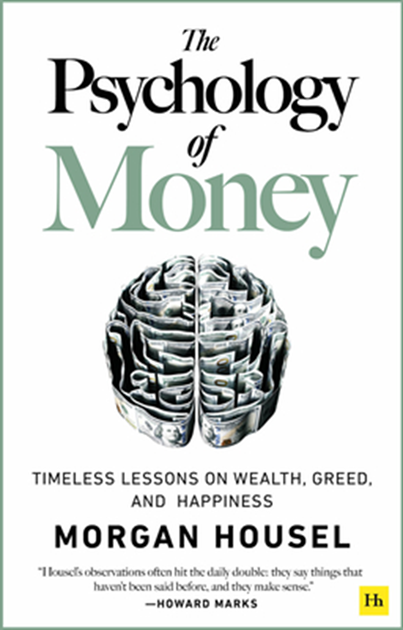
The Psychology of Money
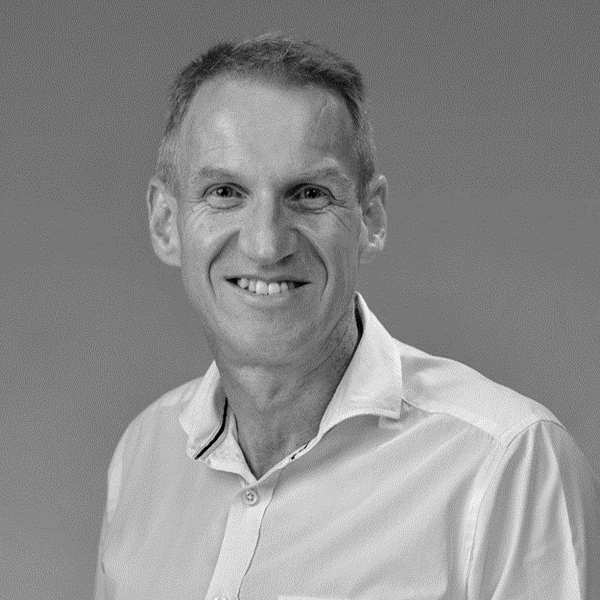
Neels Van Schaik
PSG Wealth
This must be one of the best books we have read in 2021, which will likely go down as a timeless classic on people’s behaviour and interaction with wealth and money. The book is accessible to people from all walks of life – you don’t need a degree or background in business or finance to appreciate the obvious, but often forgotten wisdom encapsulated in this book.

“ Finance professionals aim to find optimal solutions for clients. ”
Some of the key aspects the book addresses, amongst others, include: the importance of compounding in long-term wealth creation; the importance of creating a savings culture; and a rational, but reasonable approach towards risk taking.
The importance of compounding in long-term wealth creation
One of the reasons we appreciate the book as much as we do, is the fact that the author describes the impact of compounding to the extent that it captures the way we view our relationship with our investee companies and the way we approach investing – a long, often slow, grind forward, which is frequently only evident with hindsight. Housel’s elaboration on compounding as a continuation of rather minor changes over very long periods of time that creates a self-fulfilling force is often underappreciated by investors: “The counterintuitive nature of compounding leads even the smartest of us to overlook its power.”
We live in a world where information is instantly available and often consumed and interpreted in such a way that it mostly enforces our own views and opinions. Our collation of data regarding financial decisions are therefore often driven by our innate desire for short-term profits. Patiently waiting for compounding to do its magic therefore requires us to actively tame our animal spirits.
Building wealth from a relatively young age in order to become financially independent is one of the most important goals anyone should have. Having money or savings that can compound, though, requires living within your means – not only when starting your career, but also in retirement.
Housel reminds us not to confuse riches with wealth
The fact is, we live in a consumption-driven environment where people spend money they often do not have, on things they do not need, in order to show other people the wealth they think they have. In Housel’s words, this is the fastest way to have less money. He goes on to highlight one of the key ironies of money – the fact that wealth is actually the riches that you don’t see.
We tend to judge other people’s wealth on what we see them spending money on: expensive cars, fancy clothes. These are riches. Wealth is what remains after we have satisfied our immediate gratifications: our retirement savings, investment portfolios and cash in the bank.
Finance professionals aim to find optimal solutions for clients. Even individuals managing their own affairs aim to find the ideal allocation for their assets – the maximum amount of equities that should get me to retire quickly.
In financial parlance we would call this maximizing your return relative to the risk you are taking. While this makes sense in a financial spreadsheet it does not always gel with investor psyche. Housel highlights the fact that people sometimes unwittingly want to “maximize for how well they sleep at night”.
The book underlines the importance of distinguishing between being rational and being reasonable
Doing financial planning with a spreadsheet alone, ignores the human aspect to investing. At a stock level, Housel reminds us that being unemotional about the companies you own could often result in selling out at the bottom of a cycle when said businesses are perceivably underperforming. However, there is a strong correlation between long-term investment returns and remaining committed to a particular strategy or outcome. If you are passionate about what you own, you tend to spend more time understanding it, which means you are less likely to sell at the worst possible time, when the “tide goes out”.
At a macro level, being reasonable rather than bluntly rational often also relates to the amount of liquidity or cash that investors keep handy. Having a large chunk of your capital in cash even if you can afford a meaningful drop in asset value might seem completely irrational, but not necessarily an unreasonable asset allocation decision.
We should always assume that our plans may fail to materialize as planned
As Housel recently mentioned, presenting at an investment seminar, the world spent more than a decade analysing the impact of Barack Obama’s healthcare policies and Donald Trump’s policies on international trade and its potential impact on economic growth, inflation and financial markets. Yet, they completely failed to assess the impact of an invisible force such as Covid-19. We should always plan for the unexpected!
“The Psychology of Money” is one of those books that you are unlikely to read only once. It highlights some timeless principles that give us comfort in the fact that our investment philosophy around owning a handful of good businesses we understand and relate to, can compound wealth, given time. It also reminds us that certain risks can never be fully discounted… we should plan for that by always having some cash available!
It has indeed been another eventful year, and 2022 is unlikely to be different. We thank you for your support during 2021 and wish you a safe and happy festive season.
The opinions expressed in this article are the opinions of the writer and not necessarily those of PSG. The information in this article is provided as general information. It does not constitute financial, tax, legal or investment advice and the PSG Konsult Group of Companies does not guarantee its suitability or potential value. Since individual needs and risk profiles differ, we suggest you consult your qualified financial adviser, if needed. PSG Wealth Financial Planning (Pty) Ltd is an authorised financial services provider. FSP 728

Stay Informed
Sign up for our newsletters and receive information on finance.
