Fraudulent Telegram and WhatsApp groups
Please beware of fraudulent Telegram and WhatsApp groups impersonating PSG Financial Services, our divisions and our advisers. Be cautious, verify links and contact your adviser or Client Services if you have any queries or concerns.
19
June 2023
Four ways to safeguard your property this winter

PSG Insure
While winter may be associated with the crackling of a fireplace and cosy nights indoors, the colder months come with their fair share of risks for homeowners. Low temperatures and windy weather, as well as heavy rainfall in some parts of the country, could result in costly damages. However, by proactively addressing some of these risks, you can ensure a safe and stress-free winter season for you and your home.
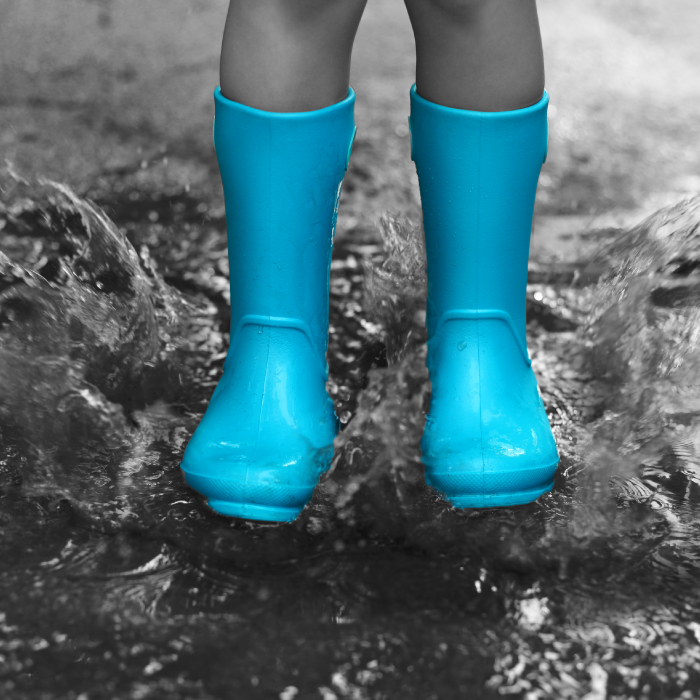
Four ways to safeguard your property this winter
While winter may be associated with the crackling of a fireplace and cosy nights indoors, the colder months come with their fair share of risks for homeowners. Low temperatures and windy weather, as well as heavy rainfall in some parts of the country, could result in costly damages. However, by proactively addressing some of these risks, you can ensure a safe and stress-free winter season for you and your home.
Sink or swim?
South African winters are often ushered in by some torrential rain, particularly in regions surrounding the Cape Peninsula. When water is not prevented from leaking into homes, seeping into walls and supporting structures as well as being absorbed into flooring, the damage can be extensive. With time, exposure to water can cause laminated flooring to warp, wooden structures to buckle and bubbles to form under paint. In the longer term, moisture damage can lead to problems such as mould and mildew, which might have health implications for those who live in your home.
Some of the most effective ways to safeguard against these risks include repairing all roof leaks, checking that roof tiles are secure and cleaning all gutters to allow for the free flow of water long before winter kicks in.
One of the most common mistakes that homeowners make heading into the colder season, is failing to perform these maintenance checks and duties. This is one of the factors that insurers will look into when considering claims related to water damage. Failure to produce proof that you have made efforts to maintain and repair your roof when needed, may lead to your claim being repudiated.
Keep warm but stay watchful
Ongoing load shedding has placed South African households under even more pressure this year. For a more viable solution to non-electrical internal heating, many have turned to portable gas heaters and wood fires. But these alternatives also present several risks to homeowners.
When fireplaces are used, it’s important to prevent blockages caused by smoke and soot by having chimneys checked and cleared regularly. Not only can blocked or dysfunctional chimneys increase the risk of a house fire, but the excess emission of carbon monoxide may also pose a serious health risk.
When using gas systems for cooking and heating, it’s also important to have your gas cylinders installed by qualified professionals. Gas equipment must be installed in accordance with the South African Bureau of Standards’ requirements. This includes ensuring that no gas bottle exceeding 19 kilograms is stored within your building. Regulations also indicate that all gas bottles must be installed at least one metre or more away from doors and windows, as well as two metres or more from drains and air vents.
When these requirements have been met, homeowners will be issued with a certificate of conformity – an essential document that is required in the event of a gas-related insurance claim.
Stay safe while powering up
While load shedding has certainly made a dent in the volume of electricity being used by households during an average day, the winter season places power systems under increased pressure when the power is on, due to the ongoing use of appliances like tumble dryers and electrical room heaters. They usually work overtime to counteract the chill. Keeping the lights on longer and increased geyser consumption also place additional strain on the grid during the colder, darker months.
Chances are that at least some of your appliances will be in use when load shedding happens, and this poses the risk of a power surge once power is restored. You can manage the risk of damage to appliances by switching off all appliances at the wall plug until the power has been restored. Surge protectors, which can be installed on individual plug points or on the home’s distribution board, are also an effective way of protecting appliances from sudden electrical spikes. Depending on your insurer, having surge protection may be a prerequisite for getting a claim approved and will certainly work in your favour in optimising the chances of a speedy payout for electrical damage.
It’s time for a geyser health check
Another common claim associated with colder weather relates to burst geysers. Sudden drops in temperature can cause geyser tanks to expand and contract at a higher rate than in warmer months. This can make your geyser more susceptible to malfunctioning. What’s more, neglecting to maintain the tank can also lead to faster wear and tear.
To avoid this, you could fit your system with a geyser blanket that will insulate the tank and reduce heat loss. This may help to extend the lifespan of the tank while also decreasing its overall electricity consumption.
In addition, using temperature control mechanisms such as thermostats will ensure that the temperature of the tank remains constant despite fluctuations. The corrosion of the tank can be slowed down by performing regular service checks, conducted by a qualified plumber, who can help identify signs that your geyser may need to be replaced.
If you need expert advice on how to beat the chill, speak to your adviser. Insurance advisers are best positioned to help homeowners find the most efficient ways of protecting their property against winter-related risks. Talking to your adviser will help you make informed decisions about how to safeguard your property and ensure peace of mind when the frost bites.
Recommended news

Proactivity and preparedness key to prepare for possible grid failure
Load shedding – a measure implemented by Eskom to address mounting pressures on the national electricity grid – has been a South African reality since 2007. However, the past few years have seen a dramatic increase in the severity of scheduled blackouts as Eskom attempts to deal with multiple infrastructural problems as well as theft and vandalism.
Read moreVier maniere om jou eiendom hierdie winter te beskerm
Hoewel die winterseisoen miskien gedagtes aan ʼn knetterende kaggelvuur en knus wintersaande tuis oproep, hou die kouer maande ʼn hele paar risiko’s in vir huiseienaars. Lae temperature en winderige weer, asook swaar reënval in sommige dele van die land, kan groot skade aanrig wat huiseienaars duur te staan kan kom. Met ʼn proaktiewe benadering tot sommige van hierdie risiko’s kan jy egter ʼn veilige en stresvrye winterseisoen vir jou en jou huis verseker.
Read more
Debunking four of the biggest myths around short-term insurance for small businesses
Managing and running a successful small business in South Africa is no small feat. Entrepreneurs face a variety of challenges at different phases of their business’s journey. One challenge that emerges right from the start, however, is the responsibility every business owner has to understand their unique risk exposure and find ways to be as well prepared as possible for the unexpected.
Read more
Electric vehicles and drones: how technology is powering the evolution of SA’s insurance industry
The rapid acceleration of technological development is one of the driving forces behind some of the major shifts in the insurance industry. Technology is bringing a new level of innovation to traditional methods of gathering data, underwriting policies and crafting new insurance products to meet the needs of an evolving consumer base. Understanding how these innovations will impact the insurance landscape should be a top priority for insurers and their clients.
Read more
Stay Informed
Sign up for our newsletters and receive information on finance.
