Fraudulent Telegram and WhatsApp groups
Please beware of fraudulent Telegram and WhatsApp groups impersonating PSG Financial Services, our divisions and our advisers. Be cautious, verify links and contact your adviser or Client Services if you have any queries or concerns.
18
November 2024
Knowledge is power: The ins and outs of cover for alternative energy sources and power outages

PSG Insure
Knowledge is power: The ins and outs of cover for alternative energy sources and power outages
Eskom is proposing a 36% power tariff hike for 2025, which means South Africans could soon see a steep rise in electricity costs, impacting budgets. Despite surpassing 200 days without load shedding, many home- and business owners are still seeking alternative energy sources to keep costs down and ensure consistent electricity supply.
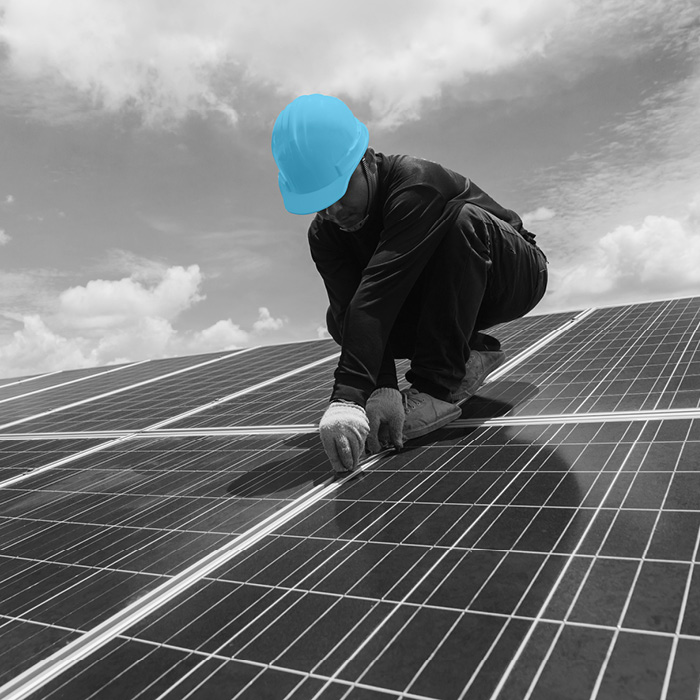
Solar power remains a popular choice in this regard promising lower long-term energy costs, but there are insurance implications to consider. Though initially expensive, the installation of solar panels adds value to a property, and this means your insurance policy should be updated to reflect this.
• Homeowners should ensure that their property values are adjusted in line with the installation cost, as being underinsured could result in significant shortfalls if a claim is to be made. It’s also crucial to use a qualified and compliant installation company. This will reduce the risk of malfunction and ensure that all regulations are met, also supporting a claim should an issue arise.
• For businesses, these adjustments are equally important. Installing solar panels can be a considerable investment, adding substantial value to the premises. Any new addition like this should be communicated to your insurance adviser, who can ensure that these improvements are reflected accurately in your policy to safeguard your alternative energy investment. It’s important that your power supply plans be factored into your business processes, to ensure that all your staff know how to operate and maintain new devices.
In addition, solar panels are being increasingly targeted by criminals, according to the SAPS. Theft of these panels is fuelling a lucrative black market and a key reminder to insure your solar panels. It is important to take preventive measures with anti-theft mechanisms and to consider additional security enhancements.
Is additional cover for other alternative power sources necessary?
Inverters, battery packs, generators and solar systems can be life savers during power outages, but they need to be factored into your policy to avoid unexpected costs. Confirm with your insurance adviser what level of cover you need, alongside the risk management requirements, such as warranties and proof of compliance with installation standards.
What about power surges?
A power surge is a sudden, significant increase in voltage that can damage appliances. If you live in an area where load reduction is prominent, power surge protection including insurance is advisable. Some parts of South Africa are experiencing load reduction, where power is paused for a limited time in specific areas, even though load shedding is much less of a problem compared to what we experienced last year.
Policies previously automatically covered power surges up to a certain limit, but this is no longer a standard practice. Today, surge cover generally incurs an additional premium. Ensuring your insurance adviser helps you review and understand these options can protect against unexpected repair costs from power surges or inconsistencies.
Fires are a common concern when there is a power surge, which is why it’s important to have your property fully insured – from the structure to the contents inside.
Load shedding and grid failure, which are not as threatening as they once were, are not covered by insurance, which makes the long-term benefits of alternative energy undeniable. However, these installations must be correctly insured to protect your investment. Consultation with your insurance adviser thus becomes essential.
Recommended news

Short-term property insurance 101: Preparing for the end of the year before it catches up with you
Read moreKorttermyn-eiendomsversekering 101: Tref voorsorg vir die einde van die jaar voordat dit jou inhaal
Read more
The vital role of short-term insurance advisers in safeguarding businesses against disruptions
Read more
Stay Informed
Sign up for our newsletters and receive information on finance.
