Fraudulent Telegram and WhatsApp groups
Please beware of fraudulent Telegram and WhatsApp groups impersonating PSG Financial Services, our divisions and our advisers. Be cautious, verify links and contact your adviser or Client Services if you have any queries or concerns.
24
May 2024
Rising temperatures, rising risks: why adequate cover has become critical

PSG Insure

Rising temperatures, rising risks: why adequate cover has become critical
The knock-on effects of climate-related incidents have led to a noticeable increase in personal and commercial insurance claims, in terms of both property damage and business interruption. This has been exacerbated by the impact of deteriorating infrastructure such as public roads, water and sanitation systems. Given that extreme weather events are on the increase, households and businesses need to ensure they have appropriate insurance cover as a financial buffer for when the unexpected occurs.
The interplay between climate change and infrastructure
In South Africa, extreme weather events not only represent serious risks in and of themselves, but they also
place already failing infrastructure and public services under added strain, exacerbating the impact.
For example, an inefficient water supply system and leaking pipelines can worsen water scarcity, while stormwater drainage systems may no longer be able to effectively cope with increasing rainfall intensity, especially as urban areas continue to grow and develop.
Evidence of this domino effect can be found in examples such as the severe flooding which took place throughout KwaZulu-Natal in 2021. Torrential rain wreaked havoc on homes and businesses to the tune of billions of rands. In addition, several incidents of total infrastructure collapse were reported, including bridges, roads and water and sanitation systems.
More frequent heatwaves, on the other hand, can attribute to an increasing number of wildfires – which brings its own set of risks and challenges. The absence of effective firefighting resources, staff and equipment will increase the impact and magnitude of losses incurred for both commercial and personal lines clients. This is particularly true in more outlying regions where firefighting support will take substantially longer to arrive
to manage an outbreak.
Insurance as a vital safeguard
For households and businesses throughout the country, building resilience against these serious risks is a growing need. One of the most fundamental contributors to that much-needed resilience is insurance. Having the right type and level of cover serves as a financial safety net that can cushion the potentially devastating blow of mounting climate-related pressure. While the current economic landscape has placed many households under financial pressure, cancelling an insurance policy or reducing the level of cover beyond the replacement value of a home or commercial property, for example, is a short-sighted solution. Instead of making the decision to forgo insurance completely, homeowners and businesses need to consult their insurance adviser and work through the various measures that can be taken to make insurance more affordable, while ensuring they still have adequate cover in place.
In addition, businesses also need to ensure they have business interruption cover in place to safeguard against loss of income or loss of profits should their assets be damaged or destroyed.
Important risk management measures
In terms of their terms and conditions, insurance policies typically place a duty of care for the prevention of loss on the client. This means that home and business owners need to take their responsibility to prevent unnecessary losses seriously.
For example, roofs and gutters need to be well maintained and cleared of any excess debris to avoid storm damage from escalating and causing buildings to sustain otherwise preventable damage. Similarly, it is advisable to store equipment and vehicles in buildings and carports, where they are less vulnerable to turbulent weather patterns – especially if required by the terms and conditions of the policy.
Your insurance adviser is here to provide advice and guidance on how to tailor your policy to your needs, keeping both your unique circumstances and affordability in mind. This role is likely to become ever more valuable in the future, as the nature of climate-related risks becomes increasingly clear. Insurance advisers will be indispensable partners to their clients, helping them in assessing risks and identifying appropriate mitigation measures as weather patterns turn more extreme.
Recommended news

Het jy dekking teen die risiko van burgerlike onrus?
Read more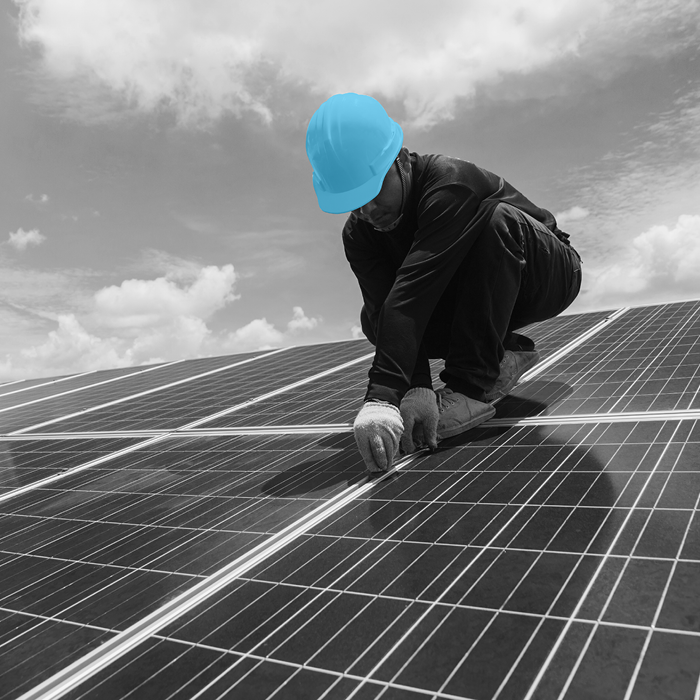
Oorweeg jy om sonkragpanele vir jou huis te koop of te huur? Hier’s wat jy oor die beskerming van jou belegging moet weet.
Read more
The risks of being underinsured – and how to avoid it
Read more
Risks and the property rental landscape: a look at landlord-tenant insurance dynamics
Read more
The first-time car buyer’s guide to insurance
The world of car insurance can be confusing to navigate for first-time car buyers, as there is already so much to consider when selecting the right car and deal. Ultimately, insurance provides a safety net that returns you to the same financial position you were in before an incident occurred. For many, this safety net could make the world of difference when the unexpected happens.
Read more
Stay Informed
Sign up for our newsletters and receive information on finance.
